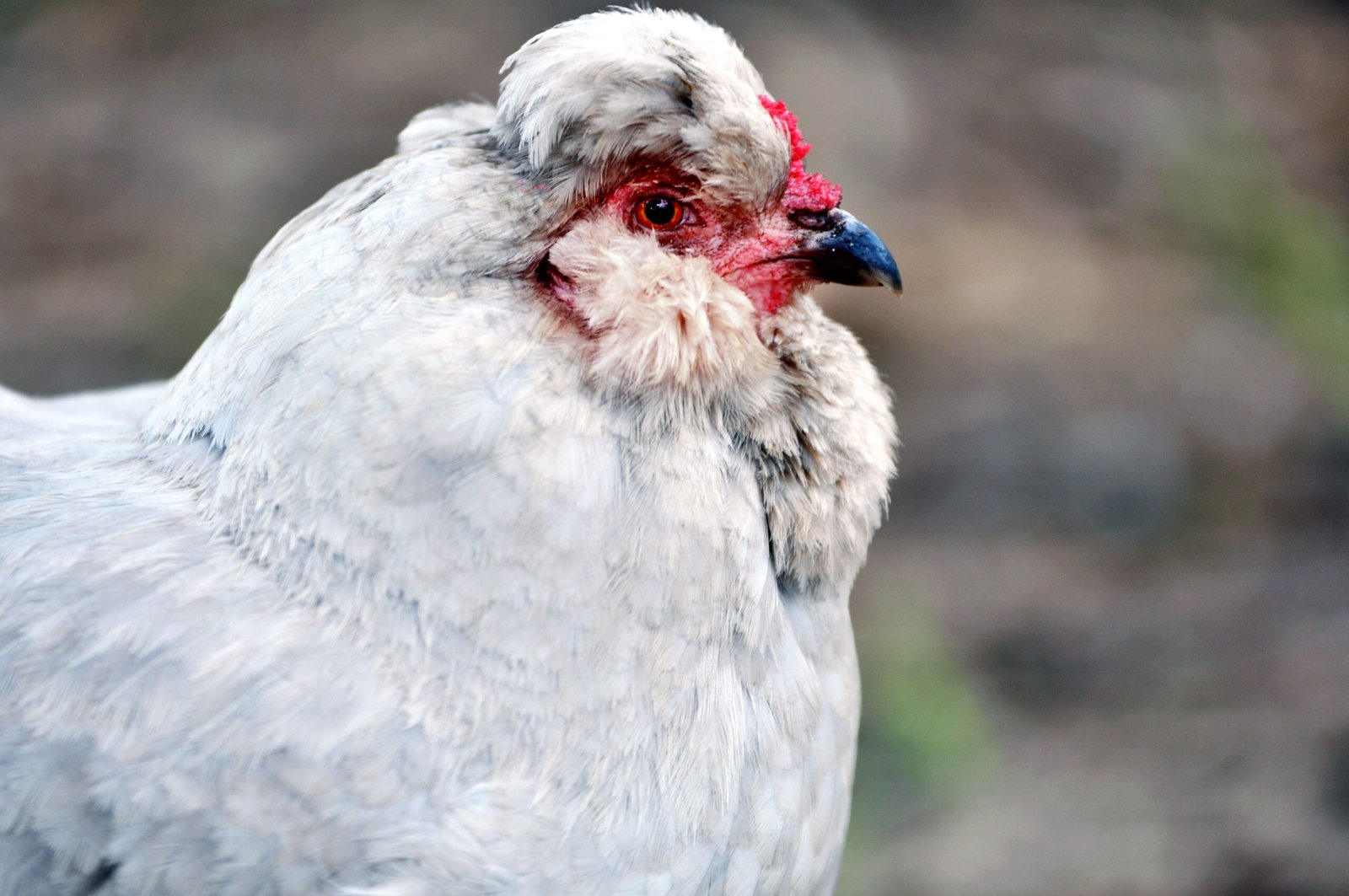
Are Silkie roosters quiet? Compared with the reputation of many larger rooster breeds, Silkies are often regarded as a more manageable choice, but that does not mean they are silent. A Silkie rooster still crows, and an individual bird can produce enough noise to disturb nearby neighbors, particularly during the early morning.
Their small size and generally calm reputation can make Silkies attractive to backyard chicken keepers, but size alone should never be used to predict how much noise a rooster will make. Crowing frequency, individual temperament, surroundings, light exposure, and the presence of other chickens can all affect how noticeable a rooster becomes.
If noise is an important consideration, it is better to think of a Silkie as a potentially more manageable rooster rather than a quiet rooster.
How Quiet Are Silkie Roosters?
When people ask are Silkie roosters quiet, they are usually trying to determine whether a Silkie will be less disruptive than a conventional full-sized rooster. There is no reliable scientific evidence establishing a standard noise level specifically for Silkie roosters, so claims that every Silkie crows at a particular number of decibels should be treated cautiously.
Rooster crowing in general can be surprisingly powerful. Research published in Zoology and available through the U.S. National Library of Medicine’s PubMed Central found extremely high sound-pressure levels close to a crowing rooster’s head. The researchers recorded an average maximum of 133.5 dB close to the rooster’s ear, with individual vocalizations reaching 136 dB. Those measurements were taken extremely close to the bird and should not be interpreted as the noise level a neighbor would experience from a Silkie rooster. PubMed Central (PMC)
For a more detailed discussion of rooster volume and why distance matters, read our guide on How Loud Is a Silkie Rooster?
Do Silkie Roosters Crow?
Yes. Silkie roosters crow just like other domestic roosters. Being smaller, fluffier, or relatively docile does not remove the biological behavior associated with crowing.
Crowing is not limited to sunrise either. Roosters can crow at different times throughout the day, although early morning activity is particularly familiar to chicken keepers. Scientific research has demonstrated that rooster crowing is influenced by an internal circadian clock, meaning the familiar dawn crow is not simply a reaction to seeing the sun come up. PubMed Central (PMC)
A Silkie may therefore begin vocalizing before its owner considers it morning. This is particularly important when chickens are kept close to neighboring homes.
Why Do Silkie Roosters Crow?
Understanding why roosters crow helps explain why there is no simple way to guarantee a quiet Silkie. Crowing is a normal form of rooster communication rather than a behavioral defect that can simply be eliminated.
Roosters may crow as part of their daily rhythm, in response to activity in their surroundings, or in a social context involving other birds. Research into groups of roosters has also found that social rank can influence the order in which birds crow around dawn. In one study, the highest-ranking rooster generally had priority in announcing daybreak, while subordinate roosters followed the social hierarchy. PubMed Central (PMC)
This means the answer to are Silkie roosters quiet can partly depend on the individual bird and its environment. Two Silkies kept under different conditions may develop noticeably different crowing patterns.
Are Silkie Roosters Quieter Than Other Roosters?
It is tempting to assume that a smaller rooster must automatically be quieter than a larger one, but body size does not provide a dependable measure of crowing volume. Silkies can still produce sharp, clearly audible crows despite their compact build.
There is also considerable variation between individual birds. One Silkie may crow relatively infrequently, while another may become a persistent caller. Breed tendencies can be useful when choosing chickens, but they cannot guarantee the behavior of a particular rooster.
This is why prospective owners asking are Silkie roosters quiet should consider both volume and frequency. A moderately loud rooster that crows repeatedly for long periods may create more disturbance than a louder bird that crows only occasionally.
When Are Silkie Roosters Most Likely to Crow?
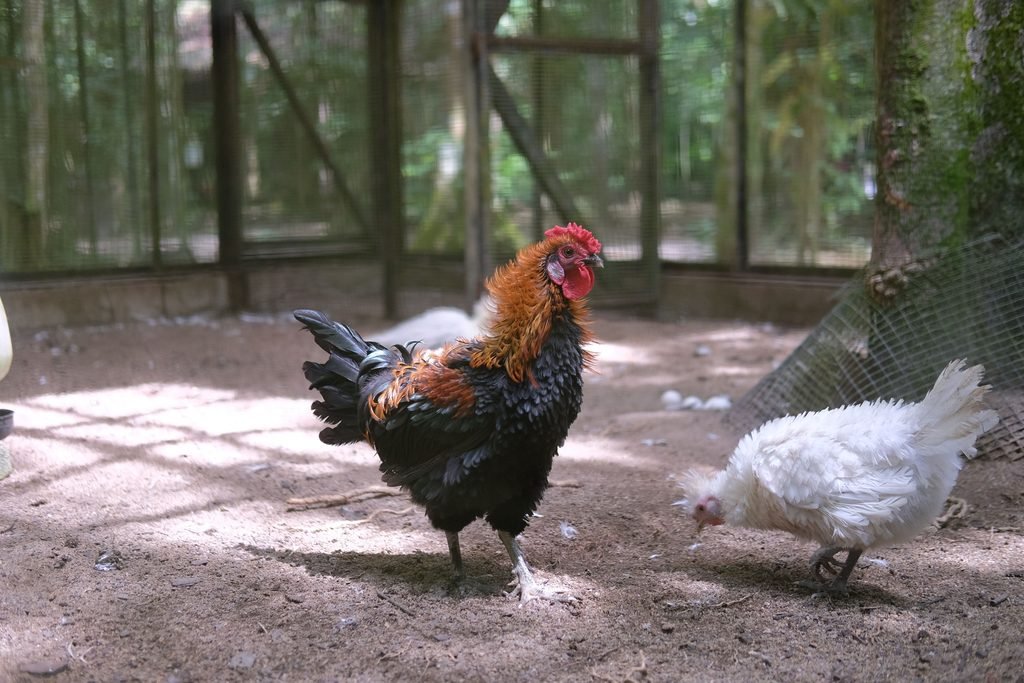
Early morning is the period most likely to concern neighbors because rooster vocalization follows a strong daily rhythm. Research into poultry acoustics has found that sound activity associated with rooster crowing is particularly prominent during early-morning hours. PubMed Central (PMC)
However, owners should not expect crowing to stop after breakfast. Roosters can vocalize during daylight hours as conditions around them change.
Sudden activity, other chickens, environmental disturbances, and interactions between roosters may all coincide with additional vocalization. For people living in densely populated areas, even occasional daytime crowing can become noticeable because houses and property boundaries are close together.
Can You Keep a Silkie Rooster Quiet at Night?
Good housing can reduce unnecessary disturbance, but owners should distinguish between managing the environment and attempting to eliminate normal rooster behavior.
A secure, dark sleeping area can help maintain a consistent nighttime routine and reduce exposure to artificial light and activity. Housing should still provide appropriate ventilation, space, temperature management, and protection from predators. Noise control should never come at the expense of the rooster’s welfare.
It is also worth remembering that reducing nighttime disturbance does not guarantee a rooster will remain quiet until its owner wakes up. The biological timing of crowing can begin before sunrise.
We will cover practical management methods in our dedicated guide, How to Keep a Rooster Quiet at Night.
Are Silkie Roosters Suitable for Small Backyards?
Silkies can be appealing for smaller properties because of their compact size, but the amount of physical space available is only one part of the decision. Noise, sanitation, predator protection, flock management, and local regulations are equally important.
A small yard surrounded by close neighbors may actually make rooster noise more problematic because there is less distance for sound to dissipate. Walls, fences, buildings, and other surfaces can also affect how sound travels around a property.
Before keeping any rooster, check local ordinances, zoning requirements, homeowners association rules, rental agreements, and other restrictions that apply to the property. Some jurisdictions allow hens but prohibit roosters, while others impose different requirements depending on zoning or property size.
How Can You Reduce Silkie Rooster Noise?
There is no humane method that guarantees a naturally crowing rooster will become silent. A better strategy is to reduce unnecessary triggers and design the rooster’s housing with neighboring properties in mind.
Keep the sleeping area secure and appropriately dark overnight, maintain a predictable routine, and position housing as far as reasonably possible from neighboring bedrooms. Avoid creating an enclosed, poorly ventilated structure simply to contain sound. A rooster’s need for airflow, suitable temperatures, adequate space, and safe housing takes priority over acoustic control.
If crowing becomes a persistent problem, first determine whether something in the bird’s environment is contributing to increased activity. Understanding the pattern is usually more useful than reacting to individual crows.
Are Silkie Roosters Quiet Enough for Urban Areas?
For urban chicken keepers, are Silkie roosters quiet enough is not purely a question about breed. The answer depends heavily on the property, neighboring homes, local rules, and the tolerance of people living nearby.
A Silkie that causes no problems on a spacious suburban property could create significant conflict in a densely populated neighborhood. Crowing carries beyond the chicken enclosure, and early-morning noise can be particularly disruptive when houses are close together.
Anyone considering a rooster in an urban setting should therefore investigate local regulations before acquiring the bird rather than assuming that choosing a smaller breed will avoid restrictions or complaints.
Silkie Rooster vs. Silkie Hen: Which Is Quieter?
If noise is the overriding concern, a Silkie hen is generally the more practical choice because hens do not produce the characteristic rooster crow. Hens still vocalize, however, and they can become noisy when laying, alarmed, excited, or communicating with flock mates.
The distinction matters because a prospective chicken keeper who simply wants Silkies does not necessarily need a rooster. A flock can be kept without a rooster if fertile eggs and rooster-specific flock functions are not required.
For properties where rooster ownership is prohibited or likely to create serious neighbor conflicts, keeping hens instead can avoid the distinctive crow that causes most rooster-related noise concerns.
So, Are Silkie Roosters Quiet?
Are Silkie roosters quiet? They can be relatively manageable for some owners, but calling them quiet without qualification would be misleading. Silkie roosters still crow, individual birds vary considerably, and their calls can be clearly audible beyond the property where they are kept.
Their smaller size should not be treated as a guarantee of low noise. Anyone choosing a Silkie because of concerns about crowing should consider the individual bird, housing, distance from neighbors, local regulations, and the possibility of early-morning vocalization.
For many backyard keepers, a Silkie rooster can be a rewarding bird when the property and local rules are suitable. For someone who requires a genuinely quiet chicken, however, choosing hens is considerably more predictable than relying on any rooster breed to remain quiet.