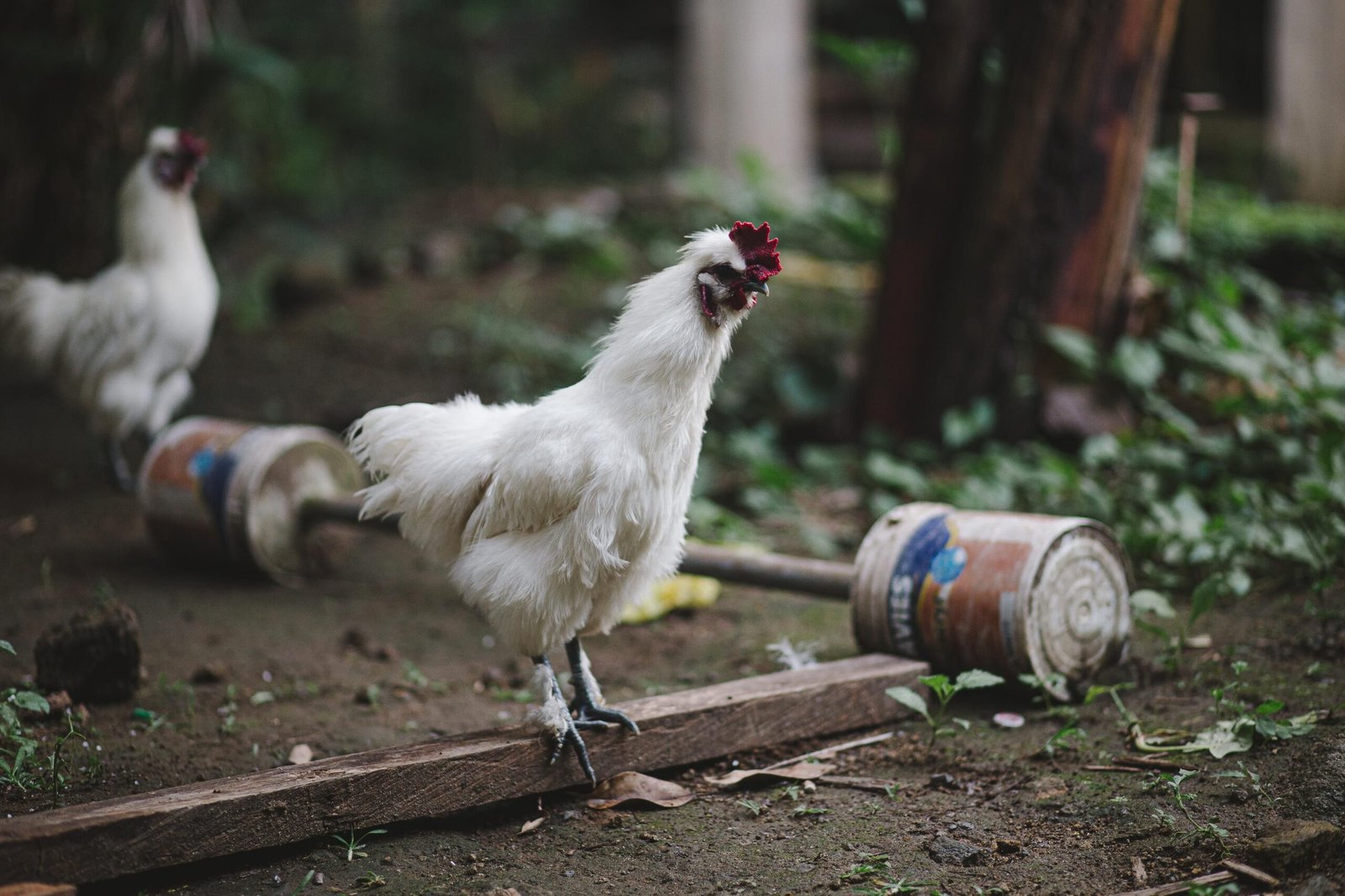
Silkie rooster crowing noise can be more noticeable than many new owners expect from such a small chicken. Silkies are compact birds with a reputation for being relatively docile, but a male Silkie is still a rooster, and crowing is a normal part of his behavior. Some individuals may crow less frequently than others, but prospective owners should never assume that choosing a Silkie will guarantee a quiet backyard.
The amount of noise you experience depends on more than breed alone. Individual behavior, the time of day, the presence of other chickens, surrounding activity, housing, and the distance between the rooster and neighboring homes can all influence how disruptive crowing becomes. Understanding these factors before bringing a Silkie rooster home is especially important on smaller properties or in neighborhoods where houses are close together.
How Much Crowing Noise Does a Silkie Rooster Make?
There is no scientifically established decibel level that applies specifically to every Silkie rooster. Individual birds differ in the volume, pitch, duration, and frequency of their calls, which makes a single Silkie-specific noise figure misleading.
Research on domestic roosters nevertheless shows why crowing should be taken seriously. A study published in Zoology and available through PubMed Central investigated the intense sound-pressure levels produced during rooster crowing. Those measurements were not specific to Silkies and were taken close to the birds, so they should not be used as a universal Silkie decibel rating. They do demonstrate that rooster vocalization is capable of producing powerful sound at close range.
If your main concern is the actual loudness of the breed, our guide to how loud a Silkie rooster can be looks more closely at volume, perceived loudness, and why a small rooster can still be clearly heard.
What Does a Silkie Rooster Crow Sound Like?
A Silkie rooster produces the recognizable crow associated with male chickens, although the exact sound varies from bird to bird. Because Silkies are relatively small, an individual may produce a crow that sounds different in pitch and tone from that of a much larger rooster. That difference should not automatically be interpreted as quietness.
Pitch and loudness are separate characteristics. A higher-pitched call may still carry through a yard and attract attention, particularly during the early morning when traffic, conversation, machinery, and other background sounds are limited.
The pattern of crowing can be just as important as the sound of a single call. A rooster that repeatedly crows over several minutes may become more noticeable to nearby residents than one that produces only occasional calls, even if their individual crows are similar in volume.
When Do Silkie Roosters Start Crowing?
Young roosters generally begin developing their crow as they mature, but there is no exact age at which every Silkie will start. Development varies between individual birds, and an early attempt at crowing may sound very different from the more established call of a mature rooster.
Once mature, a Silkie rooster may crow around dawn as well as at other times throughout the day. Early-morning crowing is not simply a response to seeing daylight. Research published in Current Biology found that predawn rooster crowing is regulated in part by an internal circadian clock. The study, available through PubMed Central, helps explain why roosters can begin crowing before sunrise rather than waiting for daylight to appear.
This biological rhythm is particularly important for anyone considering a rooster in a residential neighborhood. Keeping a coop relatively dark may help manage environmental stimulation, but darkness alone should not be expected to prevent normal predawn crowing.
How Often Do Silkie Roosters Crow?
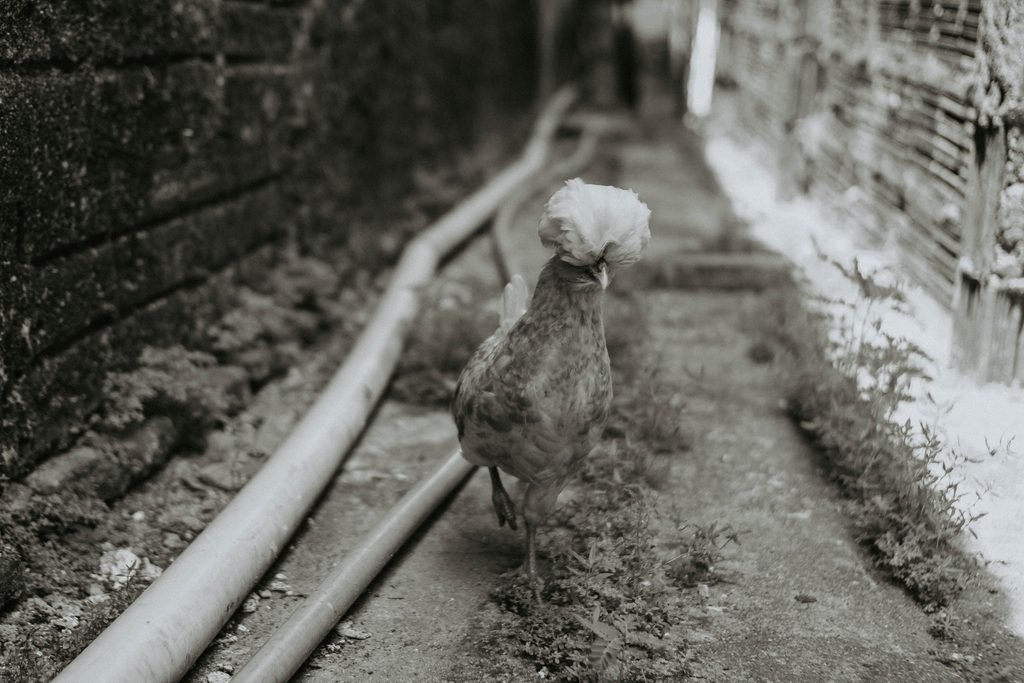
There is no reliable daily number that applies to all Silkies. One rooster may crow occasionally, while another may repeat the behavior frequently throughout the morning and at intervals during the rest of the day.
Research also indicates that crowing has a social component. A study examining groups of roosters found that social rank influenced the order of crowing around dawn, with higher-ranking birds generally crowing before subordinate birds. The findings, published in Scientific Reports and available through PubMed Central, show that rooster vocalization is influenced by more than daylight alone.
For an owner, this means Silkie rooster crowing noise may change depending on the bird’s environment and flock situation. Introducing other birds, hearing another rooster, or changes in daily activity may coincide with different crowing patterns.
Are Silkie Roosters Quiet Compared With Other Roosters?
Silkies are often discussed as relatively manageable chickens, but there is not enough breed-specific scientific evidence to promise that an individual Silkie rooster will be quieter than another breed. Their compact size may influence the character of their vocalization, but small size does not guarantee a low-volume or infrequent crow.
Individual variation matters considerably. Two Silkie roosters can behave differently even when they are the same breed and live in broadly similar conditions. One may crow relatively infrequently while another becomes a persistent caller.
For a closer look at that question, read our guide Are Silkie Roosters Quiet?, where we explain why breed reputation should not be treated as a guarantee of an individual rooster’s noise level.
Why Does My Silkie Rooster Crow So Much?
Frequent crowing does not necessarily mean something is wrong with the rooster. Crowing is a normal form of communication and can occur as part of a bird’s daily rhythm and social behavior. Roosters may also become vocal when activity changes around them or when other birds are active.
Instead of focusing on a single crow, observe when repeated crowing occurs. Keeping track of the time, nearby activity, changes in the flock, artificial lighting, and other recurring circumstances may help reveal patterns.
Some roosters are simply more vocal than others. If a Silkie is healthy and behaving normally but has always been a frequent crower, owners should consider the possibility that this is an individual behavioral characteristic rather than something that can be completely trained away.
Does Silkie Rooster Crowing Noise Travel Far?
There is no fixed distance at which a Silkie rooster stops being audible. How sound travels depends on the bird, the surrounding buildings, terrain, barriers, weather conditions, background noise, and the listener’s position.
Distance is particularly important in residential environments. A rooster housed well away from neighboring homes may create a very different experience from the same bird kept close to a property boundary or a neighbor’s bedroom window.
Hard surfaces and structures can also affect how sound is experienced around a property. For that reason, owners planning a coop should think about its position before construction rather than waiting until crowing becomes a neighborhood issue.
Can You Reduce Silkie Rooster Crowing Noise?
Owners may be able to reduce how disruptive crowing becomes, but eliminating natural rooster vocalization entirely is not a realistic goal. A better approach is to manage the environment and reduce unnecessary disturbances while accepting that a healthy rooster is likely to crow.
Coop placement is one of the most practical considerations. Where possible, position the rooster’s nighttime housing away from neighboring bedrooms and property boundaries. A secure sleeping environment with an appropriate nighttime routine may also reduce unnecessary stimulation, although it will not override the rooster’s natural circadian rhythm.
Any attempt at sound reduction must preserve adequate ventilation, comfortable temperatures, suitable space, and normal welfare. A poorly ventilated or excessively confined enclosure is not an acceptable solution simply because it reduces the amount of sound reaching neighboring properties.
Is Silkie Rooster Crowing a Problem in Urban Areas?
Silkie rooster crowing noise deserves particular consideration in urban and densely populated neighborhoods because homes may be separated by only a short distance. A rooster that is manageable on a larger rural property may be much more noticeable when several households are located nearby.
Local rules are another important consideration. Regulations governing roosters vary considerably between cities, counties, municipalities, homeowners associations, rental properties, and other jurisdictions. Some locations permit chickens but restrict or prohibit roosters, while others regulate flock size, housing location, setbacks, or excessive noise.
Always check the rules that apply to your specific property before obtaining a rooster. The fact that Silkies are small does not automatically exempt them from rooster, poultry, nuisance, or noise regulations.
Can a Silkie Rooster Be Kept Indoors to Reduce Crowing Noise?
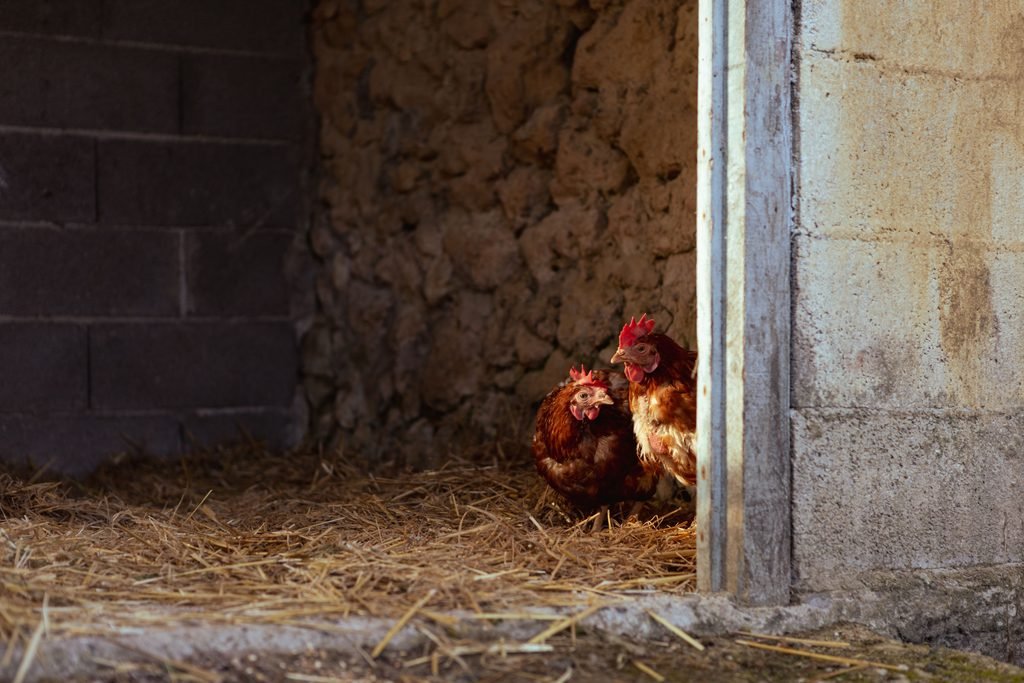
Moving a rooster indoors does not make the bird silent. Walls and other building materials can change how sound travels, but crowing may remain clearly audible inside the home and could still be heard outside depending on the building and surrounding environment.
Indoor keeping also introduces additional considerations, including droppings, dust, feathers, ventilation, sanitation, exercise, and the bird’s ability to perform normal behaviors. Noise control should therefore be considered alongside the rooster’s overall welfare rather than treated as the only priority.
Anyone considering a Silkie specifically because it appears small enough to live indoors should first decide whether the home can realistically accommodate a chicken over the long term, including its natural vocal behavior.
Should You Choose a Silkie Rooster If Noise Is a Concern?
If avoiding noise is essential, no rooster breed provides a reliable guarantee of quietness. Choosing a Silkie may give you a smaller bird with characteristics that suit your flock, but it should not be treated as a way to eliminate crowing.
A prospective owner should assume that a Silkie rooster will crow and make the decision accordingly. Consider the distance to neighbors, the location of the coop, local regulations, household schedules, and whether early-morning noise would create a practical problem.
If you want Silkies but do not require a male bird, hens may be a more practical option when rooster crowing is unacceptable. Hens still make normal chicken sounds, but they do not produce the characteristic repeated crow associated with a mature rooster.
Frequently Asked Questions
Is Silkie rooster crowing noise loud?
Silkie rooster crowing noise can be clearly noticeable, particularly at close range or during quiet early-morning hours. There is no reliable universal decibel measurement specifically for Silkies, and individual roosters vary considerably.
Do Silkie roosters crow every morning?
Mature roosters commonly crow around the morning, but frequency differs between individual birds. They may also crow at other times throughout the day, so owners should not expect vocalization to be restricted to sunrise.
Do Silkie roosters crow at night?
Crowing is strongly associated with the rooster’s daily rhythm, but individual birds may vocalize outside typical morning hours. Environmental activity, artificial lighting, disturbances, and individual behavior can influence when a rooster becomes active.
Are Silkie roosters quieter than regular roosters?
There is not enough breed-specific scientific evidence to guarantee that Silkies are quieter than other roosters. Some individuals may appear relatively manageable, but another Silkie may crow frequently or loudly enough to create problems for nearby residents.
Can you stop a Silkie rooster from crowing?
Owners should not expect to completely stop a healthy rooster from performing a natural vocal behavior. Appropriate housing and environmental management may make crowing less disruptive, but the goal should be responsible management rather than guaranteed silence.
Final Thoughts on Silkie Rooster Crowing Noise
Silkie rooster crowing noise should be taken seriously even though Silkies are relatively small chickens. Individual birds vary in volume, pitch, and frequency, and there is no trustworthy Silkie-specific decibel figure that can predict exactly how loud a particular rooster will be.
Prospective owners should plan for regular crowing rather than assuming that a Silkie will remain quiet. Housing location, neighboring properties, the bird’s individual behavior, local regulations, and the possibility of predawn vocalization should all be considered before bringing a rooster home.
For further reading, compare our guides on how loud a Silkie rooster is and whether Silkie roosters are quiet. Together, these guides provide a clearer picture of what owners should realistically expect from Silkie rooster noise.