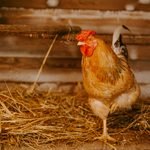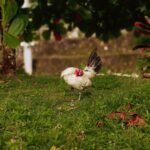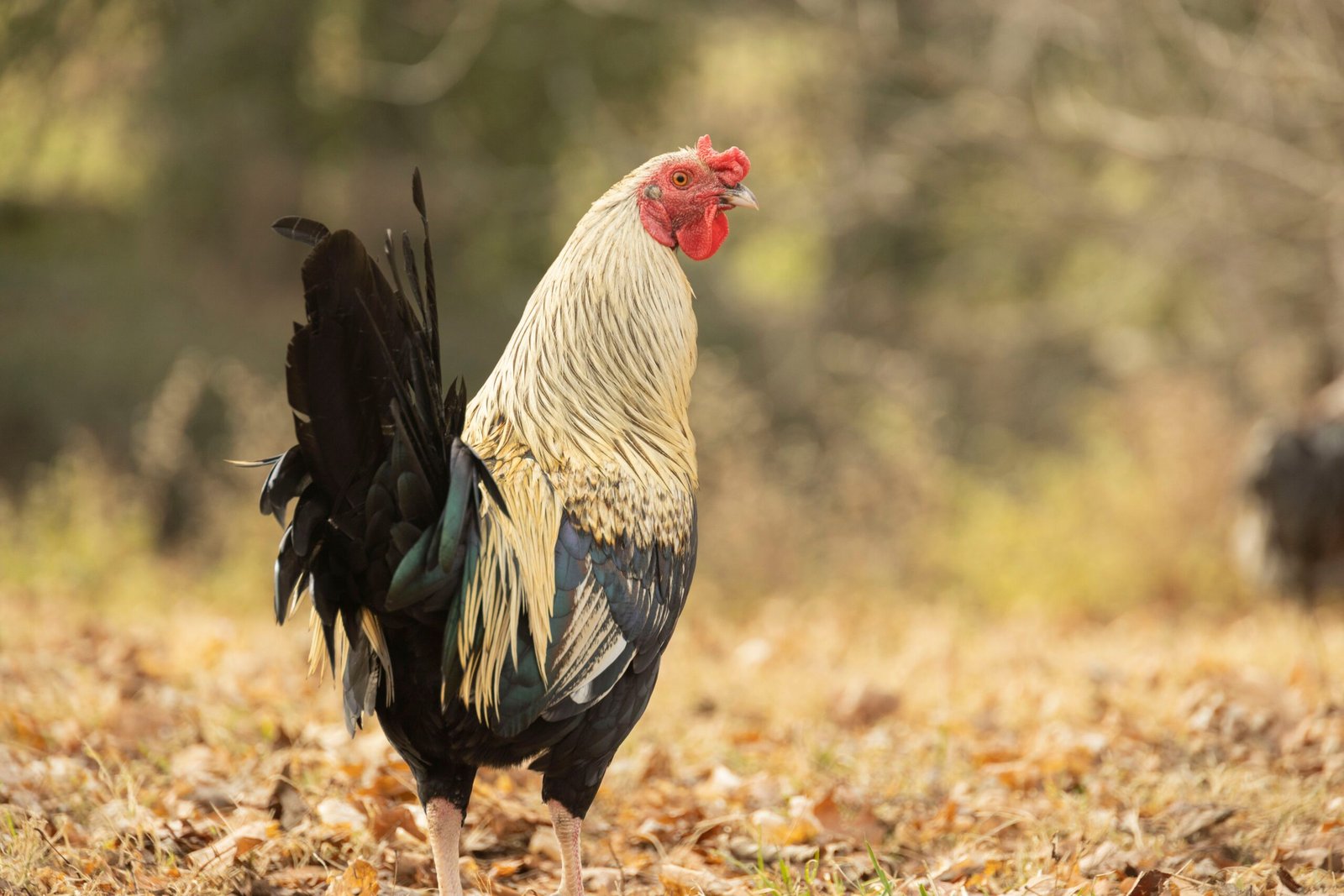
Quiet bantam rooster breeds attract attention from chicken keepers who want a smaller bird without the full noise impact associated with a rooster. Bantams can differ considerably in size, temperament, pitch, and crowing behavior, but no rooster breed can be considered reliably quiet. Silkies, Cochin Bantams, Seramas, and several other small breeds may be worth considering when noise matters, provided their individual behavior is evaluated rather than relying on breed reputation alone.
The difficulty is that breed-specific crowing data are limited. Scientific research has measured the sound produced by domestic roosters and examined why and when they crow, but it has not established a dependable noise ranking for common bantam breeds. A calm breed reputation or small body size can be useful context, but neither guarantees a rooster that crows softly or infrequently.
Are Any Bantam Rooster Breeds Actually Quiet?
No bantam rooster is silent. Crowing is a normal male chicken vocalization, and mature roosters should be expected to crow regardless of breed. The meaningful differences are more likely to involve the character of the crow, how frequently an individual bird vocalizes, and how noticeable that sound becomes in its surroundings.
Size can also create misleading expectations. Bantams are much smaller than standard chickens, yet their crowing can still carry beyond a backyard. Our guide examining how loudly bantam roosters crow explains why a small bird should not automatically be treated as a quiet bird.
Research reinforces the need for caution. A study indexed by PubMed reported substantial sound-pressure levels from rooster crowing. Those measurements were not designed to rank bantam breeds, so they cannot tell us whether one bantam is consistently quieter than another. They do demonstrate that crowing is capable of producing significant sound.
Silkie Roosters
Silkies are frequently considered by people searching for a smaller rooster with a manageable temperament. Their distinctive feathering, compact build, and long history as ornamental chickens have made them one of the most recognizable small chicken breeds.
Noise expectations require more caution. A Silkie rooster still crows, and there is no reliable Silkie-specific decibel figure that establishes the breed as objectively quiet. Individual Silkies may differ substantially in how frequently and forcefully they vocalize.
This makes the Silkie a reasonable breed to investigate when comparing small roosters, but not one that should be selected on the assumption of silence. Our detailed guide on whether Silkie roosters are quiet examines their crowing behavior and the limitations of judging noise from breed reputation alone.
Cochin Bantam Roosters
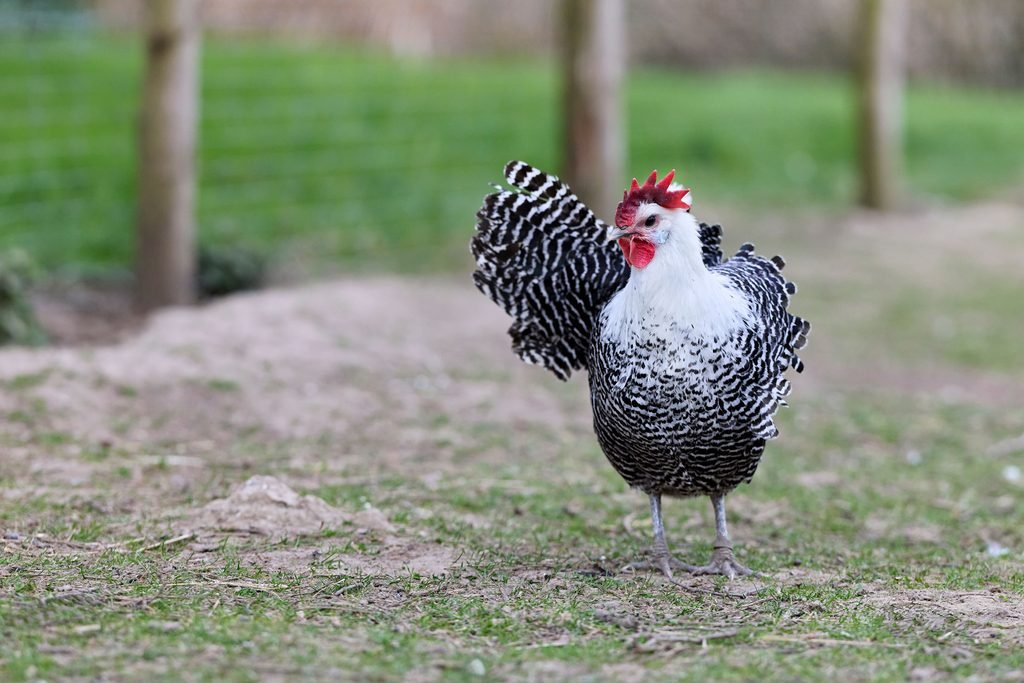
Cochin Bantams are compact, heavily feathered chickens with a rounded appearance. They are an established bantam breed, with the male breed standard published by Cochins International listing an adult cock at approximately 30 ounces.
Their small physical size makes them relevant to a discussion of quiet bantam rooster breeds, but size does not provide a dependable measurement of crowing behavior. A Cochin Bantam rooster remains capable of regular crowing, particularly around dawn and during periods of activity.
Individual temperament can also vary. A rooster that settles calmly within one flock may have a different vocal pattern from another bird of the same breed living among different chickens. For noise-sensitive settings, the behavior of the individual rooster matters at least as much as the breed name.
Serama Roosters
Seramas are exceptionally small chickens developed in Malaysia and are now established in several countries. The Poultry Club of Great Britain classifies the Serama as a true bantam and describes its development from small Malaysian birds.
The Serama’s tiny body makes it an obvious candidate when people compare small rooster breeds, but its size should not be interpreted as evidence that its crow is insignificant. Small roosters can produce sharp, distinctive vocalizations that remain easy to hear, particularly when background noise is low.
Seramas therefore fit the physical profile many people have in mind when searching for a compact rooster, but there is insufficient scientific evidence to label the breed consistently quieter than other bantams. Individual crowing behavior remains an important variable.
Belgian d’Uccle Roosters
The Belgian d’Uccle is another true bantam with a small frame and distinctive feathered legs. According to the Belgian d’Uccle and Booted Bantam Club, the breed originated around Uccle in Belgium near the end of the nineteenth century, with the standard weight for an adult cock listed at approximately 1 pound 10 ounces.
As with other bantams, physical size does not provide a direct measure of crowing volume. Belgian d’Uccle roosters still exhibit normal male vocal behavior, and one individual may be considerably more vocal than another.
The breed can therefore be considered alongside other compact bantams, but claims that it is inherently quiet should be treated cautiously. There is no established breed-specific sound measurement that demonstrates consistently low crowing volume across Belgian d’Uccle roosters.
Japanese Bantam Roosters
Japanese Bantams are among the oldest true bantam breeds and have no large-fowl counterpart. The Livestock Conservancy lists the mature male at approximately 26 ounces and describes the breed as alert, ornamental, and compact.
The Japanese Bantam’s small body again makes it relevant when comparing rooster options for limited spaces. However, a compact rooster can still produce a clearly audible crow, and the breed’s physical dimensions alone do not establish how frequently an individual male will vocalize.
Japanese Bantams should therefore be assessed using the same standard as other small breeds: expect normal rooster crowing first, then consider the behavior of the individual bird rather than assuming that bantam size will solve a noise problem.
Which Bantam Rooster Is the Quietest?
There is not enough reliable comparative evidence to identify one bantam breed as universally the quietest. Breed descriptions commonly document characteristics such as size, appearance, origin, and temperament, but controlled comparisons of crowing volume and frequency across bantam breeds are scarce.
This distinction matters because volume is only one part of rooster noise. A bird with a less powerful crow may vocalize repeatedly, while another with a stronger crow may call less frequently. Pitch also changes how a sound is perceived, especially when the rooster is kept near homes or other occupied buildings.
Instead of treating a breed name as a noise guarantee, quiet bantam rooster breeds are better understood as a group of smaller candidates whose individual crowing behavior still needs to be considered.
Why Individual Roosters Can Differ So Much
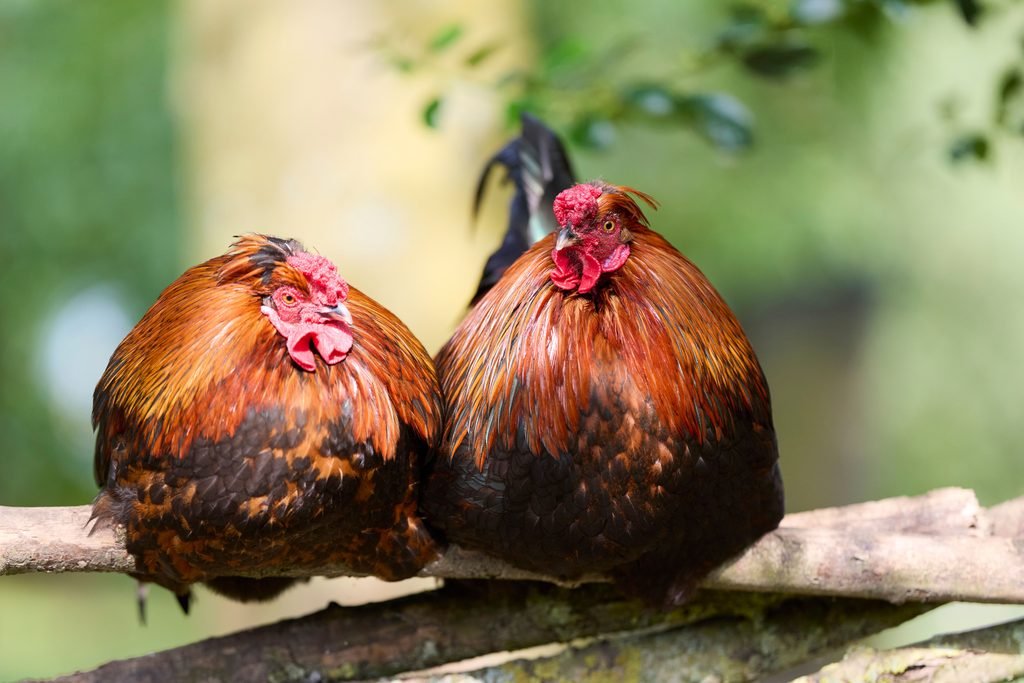
Two roosters of the same breed do not necessarily behave identically. Genetics, age, social environment, flock composition, and individual temperament can all contribute to differences in behavior. Crowing also has an important social component.
A study published in Scientific Reports and available through PubMed Central found that social rank affected the order of predawn crowing among groups of roosters. The highest-ranking rooster typically initiated crowing, followed by subordinate males. The researchers also found that the presence of the dominant rooster reduced predawn crowing in subordinate birds.
These findings do not establish which breeds are quiet. They show why social circumstances can affect vocal behavior and why observations of a single rooster should not automatically be generalized to an entire breed.
Does a Smaller Rooster Have a Quieter Crow?
Not necessarily. Body size can influence the acoustic characteristics of an animal’s vocalization, but there is no simple rule stating that a rooster half the size will sound half as loud.
Perceived noise depends on several characteristics at once, including sound pressure, pitch, repetition, distance, and the surrounding environment. A higher-pitched bantam crow may sound different from the deeper crow of a large rooster while remaining clearly noticeable.
This is particularly relevant to quiet bantam rooster breeds kept on smaller properties. Reducing the physical size of the bird does not necessarily reduce the practical effect of crowing when the distance between the rooster and neighboring homes is also small.
How Often Do Bantam Roosters Crow?
There is no standard daily crow count for bantam roosters. Some individuals crow intermittently, while others may repeat their calls frequently. Crowing can occur around dawn and continue at different times throughout the day.
Morning vocalization is not simply a response to seeing daylight. Research published in Current Biology and indexed by PubMed demonstrated that predawn crowing is regulated by an internal circadian clock. External stimuli such as light and the calls of other roosters can also induce crowing, but the underlying biological rhythm remains important.
For that reason, breed selection alone cannot guarantee a rooster that remains quiet during early morning hours.
Does Crowing Frequency Matter More Than Volume?
Both matter, but frequency can substantially change how disruptive a rooster seems. A moderately loud crow repeated many times over a short period may attract more attention than an occasional stronger call.
The timing of those calls matters as well. Crowing during a quiet predawn period may be considerably more noticeable than the same sound during daytime hours when traffic, people, machinery, and other background sounds are present.
This is one reason comparisons based only on supposed loudness can be misleading. Our guide to Silkie rooster crowing noise examines how frequency and timing contribute to the overall noise produced by a small rooster.
Can You Predict Whether a Young Bantam Rooster Will Be Quiet?
Predicting adult crowing behavior from a young bird is difficult. A cockerel that has only recently begun vocalizing may change as it matures, and its behavior may also change when flock dynamics or surroundings change.
Breed can provide information about expected body size and general characteristics, but it cannot precisely predict the eventual volume or frequency of an individual rooster’s crow. Even closely related birds raised under similar conditions can develop different behavioral patterns.
For this reason, descriptions of a breed as quiet should be understood as general observations rather than dependable predictions about a particular bird.
Quiet Roosters and Small Residential Properties
Noise becomes especially important when chickens are kept close to neighboring homes. A rooster does not need to produce an unusually powerful crow to become noticeable when the distance between properties is short.
Buildings, fences, vegetation, terrain, and background noise can all influence how sound travels. The position of the coop also changes the distance between the rooster and surrounding bedrooms or living areas.
Local regulations are a separate consideration. Some jurisdictions distinguish between hens and roosters, while others regulate poultry through zoning, property setbacks, flock limits, or nuisance provisions. A small bantam rooster is still a rooster for the purposes of many local rules, so its size should not be assumed to create an exemption.
What to Look for When Comparing Bantam Roosters
When noise is important, the most useful information comes from the individual bird as well as the breed. An adult rooster whose established crowing pattern can be observed provides more direct information than a young bird selected solely because its breed has a reputation for being calm.
Frequency deserves particular attention. Listening only to the sound of one crow does not reveal whether the bird vocalizes occasionally or repeats the call throughout the morning. Pitch and persistence can also influence how noticeable the rooster becomes over time.
Breed remains useful for understanding size, appearance, general temperament, and other characteristics, but it should form only part of an assessment of expected noise.
Frequently Asked Questions
What are the quietest bantam rooster breeds?
Silkies, Cochin Bantams, Seramas, Belgian d’Uccles, and Japanese Bantams are among the small breeds that may be considered when looking for quiet bantam rooster breeds. However, there is insufficient controlled evidence to rank these breeds reliably by crowing volume. Individual behavior can differ considerably within each breed.
Are Silkie roosters quieter than other bantams?
Silkies are sometimes described as manageable or relatively quiet, but there is no established Silkie-specific decibel measurement proving that their roosters are consistently quieter than other bantam breeds. Individual Silkies can still crow frequently and clearly.
Are Serama roosters quiet?
Seramas are extremely small chickens, but small size does not guarantee quiet crowing. Their calls may have a different character from those of larger roosters while still being noticeable, particularly at close range.
Do bantam roosters crow before sunrise?
They can. Research on domestic roosters has shown that predawn crowing is influenced by an internal circadian clock, meaning a rooster does not need to see sunrise before beginning to crow.
Can a bantam rooster be kept without disturbing neighbors?
That depends on the individual bird, the distance between properties, housing location, surrounding structures, background noise, and local expectations. No bantam breed can guarantee that neighboring properties will not hear its crowing.
Final Thoughts on Quiet Bantam Rooster Breeds
Quiet bantam rooster breeds should be approached as potential options rather than guaranteed solutions to rooster noise. Silkies, Cochin Bantams, Seramas, Belgian d’Uccles, and Japanese Bantams all provide compact alternatives to standard-sized chickens, but every mature rooster remains capable of crowing.
Scientific evidence supports the importance of crowing volume, biological rhythms, and social behavior, but it does not provide a reliable noise ranking for common bantam breeds. Individual behavior, crowing frequency, pitch, housing location, and distance from neighboring properties can be more informative than size alone.
For a broader understanding of bantam noise before comparing individual breeds, see our guide on whether bantam roosters crow loudly. It explains why the small size of a bantam does not necessarily translate into a quiet rooster.